

Auto After Market Leads l Auto Warranty Expiring Leads l Automotive Parts Buyers Mailing Lists
The Mailing List Website offers highly targeted and up-to-date auto aftermarket leads, curated by an American-owned and operated Disabled Veteran business. These leads are specifically designed for businesses in the automotive sector looking to engage with customers in need of aftermarket parts, maintenance, and repair services.
The auto aftermarket industry is one of the most dynamic and rapidly growing sectors, not just in the U.S., but globally. The demand for automotive parts, services, and accessories remains strong, and fresh, high-quality leads are essential for businesses to stay competitive and successful. With up-to-the-minute information, Sprint Data Solutions Worldwide Marketing provides businesses with access to some of the most promising leads in the auto aftermarket space, ensuring they can effectively target potential customers at the right time.
As of (MM DD, 2020), Sprint Data Solutions Worldwide Marketing is proud to offer its clients a robust selection of auto aftermarket leads tailored to the specific needs of businesses in the automotive industry. Whether you’re in the business of providing auto parts, vehicle maintenance services, or specialized repairs, these targeted lists are an invaluable tool to help you connect with car owners who are most likely to need your services.
Traditional mass-marketing efforts can often result in reaching irrelevant or unqualified prospects, leading to wasted time and resources. Sprint Data Solutions Worldwide Marketing’s consumer postal mailing lists, however, are specifically filtered to ensure that only the most relevant, high-potential leads are included. This targeted approach means that automotive businesses can focus on the customers who are actively in need of their products and services, yielding higher conversion rates and more measurable results.
For companies aiming to engage car owners when they are most likely to require maintenance or specific parts, a precisely curated mailing list is essential. Sprint Data Solutions Worldwide Marketing’s auto aftermarket lists ensure that automotive businesses can effectively target the right audience with minimal effort, ultimately driving higher-quality interactions and increasing customer acquisition. Whether you’re looking to market to consumers who are in need of parts, services, or repairs, Sprint Data Solutions Worldwide Marketing is equipped to help you succeed.
Sprint Data Solutions Worldwide Marketing & Its Start
Sprint Data Solutions Worldwide Marketing was founded by a visionary disabled veteran who, after completing his service to the country, sought to contribute to the economy by helping local businesses thrive. Starting in his hometown of Las Vegas, Nevada, the company has steadily grown over the years into a prominent player in the marketing industry, driven by a team of talented professionals with over 50 years of combined experience in marketing and promotions. This strong foundation has allowed Sprint Data Solutions to provide innovative solutions that support businesses in their efforts to reach the right audience with precision and efficiency.
Unlike traditional advertising methods that focus on mass-market approaches—such as television commercials or print ads displayed in high-traffic areas like bus stops and subway stations—Sprint Data Solutions Worldwide Marketing takes a more targeted approach. The company specializes in compiling highly accurate and customized contact lists for direct marketing campaigns, ensuring that the message reaches the individuals most likely to be interested in the product or service. By focusing on demographics, interests, and consumer behavior, Sprint Data Solutions helps clients avoid the inefficiencies of broad, generalized marketing and instead delivers targeted communications that maximize engagement and conversion rates. This strategy allows businesses to increase the effectiveness of their marketing efforts, whether they are conducting traditional print campaigns such as direct mail or leveraging the power of digital marketing through email campaigns.
In addition to its strong presence in Las Vegas, Sprint Data Solutions Worldwide Marketing has expanded its reach to serve clients across the entire United States, including Alaska and Hawaii. The company has also broadened its operations internationally, providing services to businesses in Mexico and European markets, such as France. This expansion reflects the company’s commitment to helping businesses not only grow locally but also successfully penetrate international markets. Sprint Data Solutions Worldwide Marketing continues to adapt to the ever-evolving landscape of marketing and remains dedicated to providing businesses with the most relevant, accurate, and up-to-date contact information available, making it a trusted partner for businesses seeking measurable marketing results.
The Auto Aftermarket
The auto aftermarket is one of the largest and most dynamic sectors within the automotive industry, extending far beyond the initial purchase of a vehicle. While the auto market itself focuses primarily on the sale and purchase of cars and SUVs—whether new or used—the auto aftermarket encompasses all the products, services, and enhancements that come into play once a vehicle has been purchased and is actively in use. This market is crucial because, unlike the initial sale, the aftermarket industry revolves around maintaining, upgrading, and personalizing vehicles throughout their lifespan.
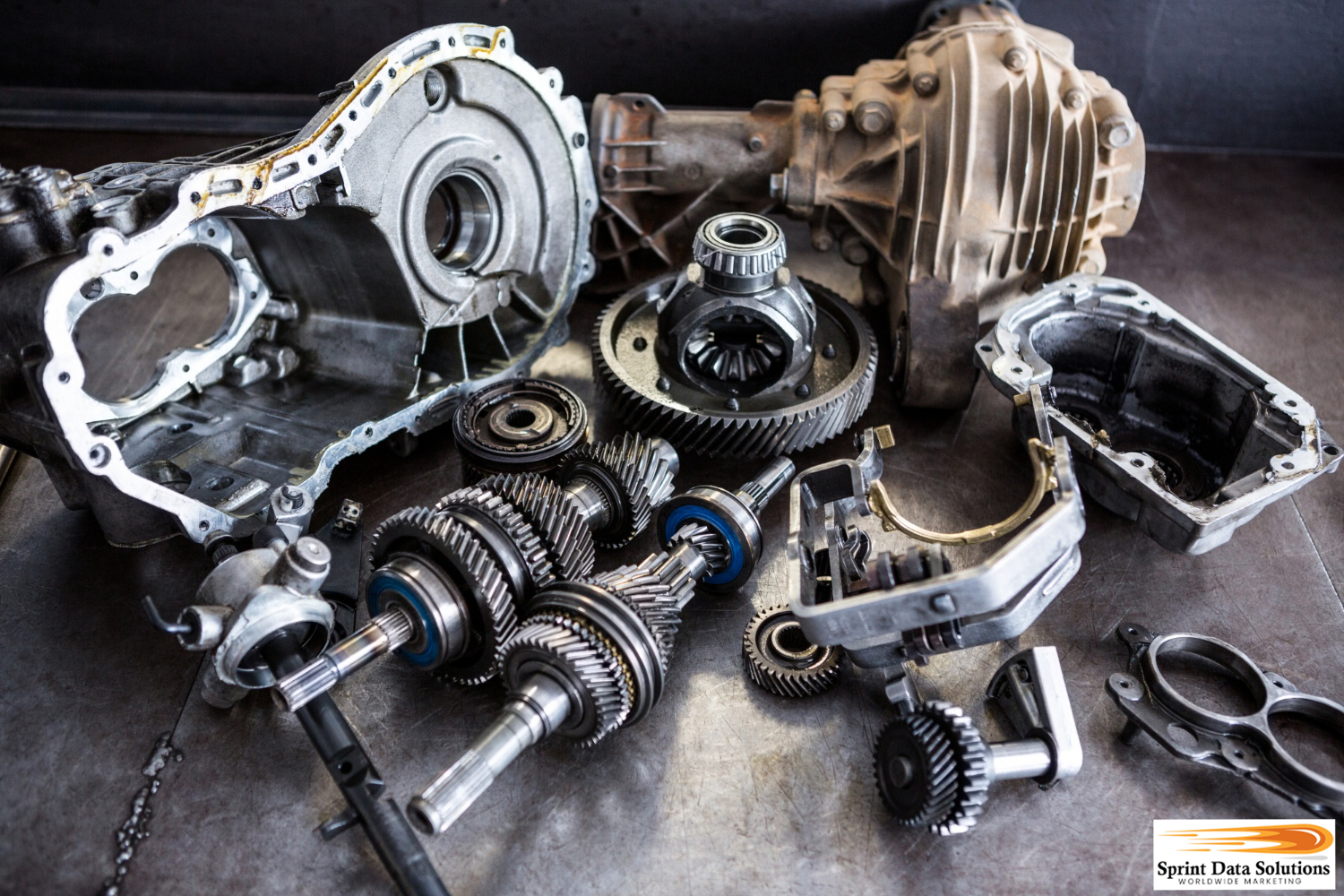
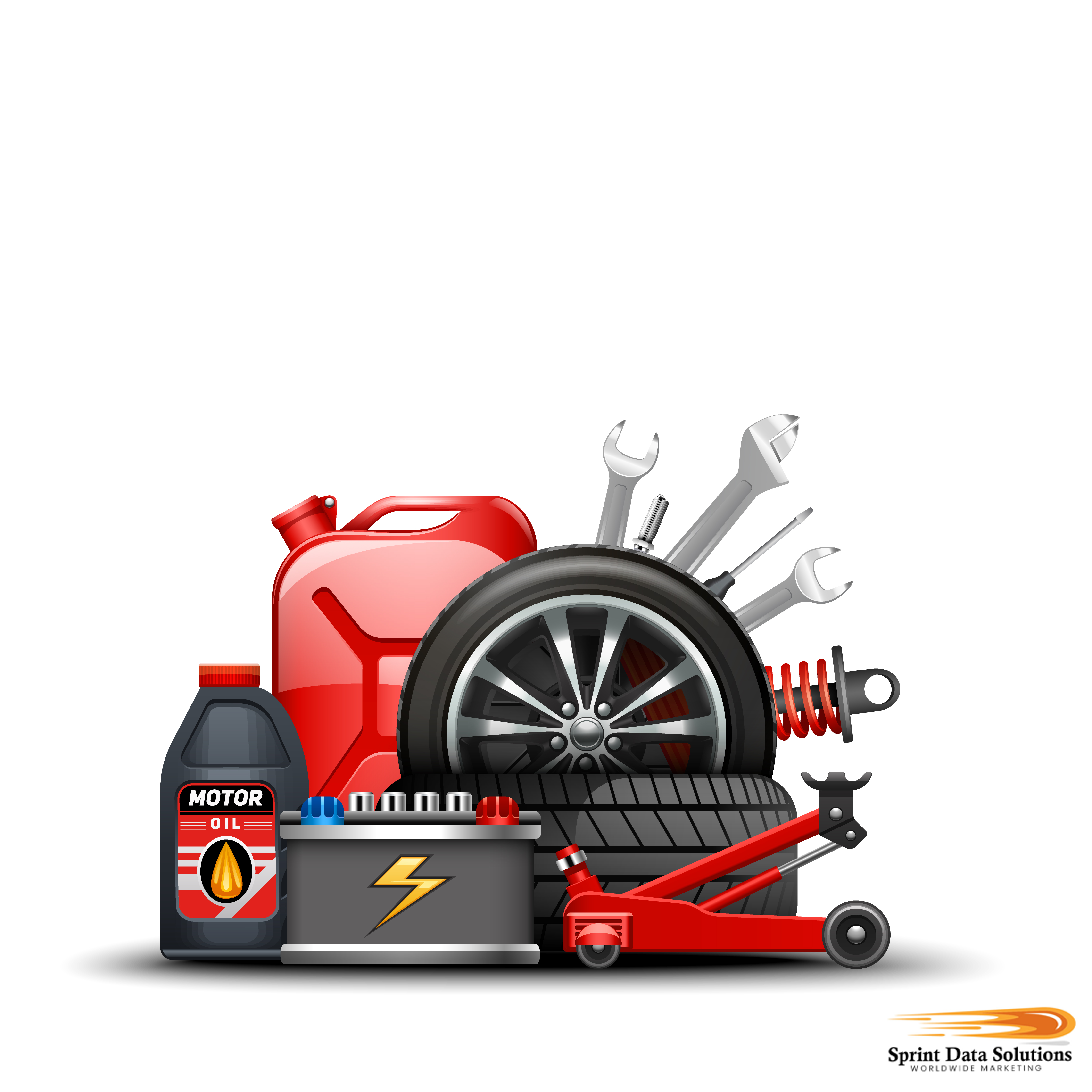
In the auto aftermarket, you’ll find a wide range of services and products designed to improve the performance, appearance, and longevity of a vehicle. This includes everything from routine car repairs performed by auto repair shops and garages to the installation of upgraded parts and accessories. For example, vehicle owners may choose to enhance their car with performance chips, custom wheels, or advanced suspension systems, all of which are aftermarket upgrades. Additionally, basic but essential products like spare tires, replacement batteries, or even cosmetic changes such as a new paint job to refresh or change the vehicle’s look, fall under the umbrella of the aftermarket.
The significance of the auto aftermarket lies in the fact that vehicles are built to last for many years, and throughout that time, the need for specific products and services will arise. From the regular maintenance required to keep a vehicle running smoothly to the desire for customization and upgrades, the aftermarket provides a wealth of options for consumers. The sector has continued to grow as drivers increasingly seek ways to personalize their cars, improve performance, and ensure their vehicles remain in optimal condition for as long as possible. This diverse and expansive market offers businesses in the automotive industry ample opportunities to target consumers throughout the entire lifecycle of their vehicles, making the auto aftermarket an essential and lucrative segment of the industry.
Who Uses The Auto Aftermarket?
Because vehicles are essential for daily transportation in nearly every country across North America and many nations worldwide, the auto aftermarket has evolved into a massive and continuously growing industry. As people rely on their vehicles for commuting, leisure, and business, the demand for aftermarket products and services remains high. From routine maintenance to performance upgrades, the auto aftermarket caters to a diverse set of needs and preferences. As a result, auto aftermarket leads come from a wide array of demographics, each with specific interests and purchasing behaviors related to their vehicles.
These leads span various consumer segments, including but not limited to:
General Consumers
Vehicles are an integral part of daily life for millions of people. Whether for commuting, running errands, or leisure, owning and maintaining a vehicle is a necessity. As a result, there is always a large pool of potential leads in the auto aftermarket industry, including those who need maintenance, repairs, or replacement parts. This broad consumer base includes individuals seeking everything from basic auto repairs to high-end customizations, making it an ever-present market for aftermarket services and products. Whether it’s replacing a tire, upgrading performance parts, or getting an oil change, consumers are always looking for trusted providers in the auto aftermarket sector.
Private Businesses
Private businesses, especially those in transportation and logistics, are key players in the auto aftermarket industry. For example, rideshare drivers—such as those working with Uber or Lyft—depend on their vehicles to generate income and require regular maintenance and replacement parts to keep them operational. Similarly, businesses with fleets of vehicles, ranging from small vans to large 18-wheeler trucks, require a steady supply of aftermarket products and services to keep their operations running smoothly. These commercial and industrial sectors often require consistent, bulk orders of automotive parts and accessories, creating valuable leads for businesses specializing in the auto aftermarket. Whether it’s for commercial vehicle repairs or fleet management, this demographic consistently seeks reliable partners for their automotive needs, making it a lucrative market.
Public Sector Organizations
The public sector, including government entities at municipal, state, and national levels, relies heavily on vehicles for a variety of services. From police and fire departments to municipal transportation services, these organizations manage fleets of vehicles that need regular maintenance and specialized parts. Additionally, government agencies often have long-term contracts for vehicle repairs and upgrades, creating significant and ongoing opportunities in the auto aftermarket sector. These public sector organizations require dependable, high-quality aftermarket products and services, making them an important and steady source of business in the industry.
Specific Circumstances
At Sprint Data Solutions Worldwide Marketing, we don’t just create broad auto aftermarket lists; we also provide highly detailed and targeted leads based on specific circumstances that influence vehicle owners and businesses. These leads take into account a variety of factors that directly relate to the vehicle itself, ensuring that your marketing efforts are as precise and effective as possible:
Auto Warranties Expiring
For many consumers and businesses, the expiration of a vehicle’s warranty marks a critical point in their decision-making process. Once the warranty expires, vehicle owners must consider alternative options for parts, maintenance, and repairs. This is when many people turn to the auto aftermarket for products and services, as they are no longer covered by the manufacturer’s warranty. Sprint Data Solutions Worldwide Marketing provides leads specifically for individuals or businesses whose vehicle warranties are about to expire, ensuring that your marketing efforts reach consumers who are most likely to need aftermarket products and services.
Vehicle Specifications
Some businesses may prefer to target a specific make, model, or year of vehicle. Whether it’s parts for a specific brand, or services tailored to vehicles of a particular age, Sprint Data Solutions Worldwide Marketing can provide highly specific leads based on these criteria. These leads allow businesses to focus their marketing efforts on a narrow, more relevant group of potential customers, ensuring that the products or services being offered align perfectly with the needs of the target audience.
Expiration Date
In the same way that a vehicle’s warranty expiration signals a need for aftermarket services, the expiration of certain components or parts also prompts vehicle owners to seek replacements. For example, the life expectancy of components like tires, brake pads, or batteries often leads to owners actively searching for replacement options. Sprint Data Solutions Worldwide Marketing provides leads that track these expiration dates, allowing businesses to target consumers just before they need to replace critical parts, ensuring higher engagement and response rates.
Sprint Data Solutions Worldwide Marketing is here to help businesses in the auto aftermarket sector access the most relevant leads for their needs. Whether you are looking to reach general consumers, private businesses, or public sector organizations, we can provide targeted, detailed lists that enhance your marketing efforts. Additionally, we offer supplemental services such as turnkey direct mail solutions, guiding clients through the entire direct mail process—from concept to execution—all under one roof.
By partnering with Sprint Data Solutions Worldwide Marketing, you’re supporting an American-owned company, operated by a disabled veteran, dedicated to delivering exceptional results. We understand the auto aftermarket industry and are committed to helping your business grow by connecting you with the right leads at the right time.
Auto Aftermarket Leads
The automobile has long been a cornerstone of American society, playing a critical role in shaping the way people live, work, and travel. Owning and operating a vehicle opens doors to increased mobility, making it possible for people to commute to work, access leisure activities, and take advantage of affordable housing options in suburban and rural areas. This shift has had a profound impact on the automotive industry, creating a thriving aftermarket sector that provides ongoing maintenance, repair, and enhancement opportunities for vehicles.
In addition to benefiting individual consumers, the development of the highway system and the expansion of interstate commerce have made the automobile a vital tool for logistics and transportation businesses. The highways of the U.S. not only provide personal mobility but have also enabled the efficient shipping of goods across the country, contributing to economic growth and prosperity. From large trucks to personal vehicles, the demand for auto aftermarket products continues to rise as vehicles require maintenance and upgrades throughout their lifecycles.
This sustained demand for auto aftermarket products and services has created numerous business opportunities for companies in the automotive industry. If your business is looking to tap into this thriving market, Sprint Data Solutions Worldwide Marketing can provide the targeted leads you need to reach the right customers and drive measurable results. Whether your focus is on parts, maintenance, or performance upgrades, we offer the most accurate and detailed leads to help you succeed in the auto aftermarket sector.
The Beginning Of Sprint Data Solutions Worldwide Marketing
Sprint Data Solutions Worldwide Marketing is a 100% American-owned and operated company that was founded with a mission to support and grow the local business community. The company was born from the vision of a disabled veteran who, after fulfilling his service to protect the nation, wanted to contribute to the economy by helping businesses expand their reach. Beginning in his hometown of Las Vegas, Nevada, the founder focused on assisting local businesses in finding and targeting the markets they needed to grow. The commitment to delivering high-quality marketing solutions quickly gained recognition, and this dedication led to the company’s steady and sustained growth.
Over time, what began as a small, veteran-led initiative has evolved into a sizable and thriving business. Today, Sprint Data Solutions Worldwide Marketing boasts a team with over 50 years of combined experience in the marketing industry. The company’s expansion is a testament to the success of its innovative strategies and its ability to adapt to the ever-changing landscape of digital and direct marketing. The company’s foundation in strong, ethical practices and its focus on client success have been the cornerstones of its growth. Now, Sprint Data Solutions serves businesses not only in Las Vegas but across the entire United States, offering tailored marketing solutions that cater to various industries and customer needs. With a commitment to excellence and a deep understanding of the marketing industry, Sprint Data Solutions Worldwide Marketing continues to help businesses thrive in an increasingly competitive market.
Sprint Data Solutions Worldwide Marketing entered the marketing industry long before digital marketing became the powerhouse it is today. In the pre-digital era, direct mail was a dominant and highly effective method for businesses to reach their target audiences. It was in this environment that Sprint Data Solutions Worldwide Marketing honed its expertise in reaching consumers, learning essential principles of marketing and, perhaps most importantly, developing the legal and ethical techniques for gathering user data. This foundation enabled the company to build trust with its clients by providing them with reliable, compliant data that could be used effectively to drive successful marketing campaigns.
Over the years, Sprint Data Solutions Worldwide Marketing has evolved to meet the demands of a changing industry, expanding its services to include a diverse array of marketing solutions. While direct mail remains a cornerstone of the company’s offerings, it has been complemented by cutting-edge digital marketing services, including email marketing and digital fax campaigns. These newer services enable businesses to engage with a broader audience through digital platforms, enhancing their reach and effectiveness. The company’s growth is not only reflected in its expanding service offerings but also in its geographical reach. Initially based in Las Vegas, Nevada, Sprint Data Solutions Worldwide Marketing now serves clients across all 50 states, including Alaska and Hawaii. Their capabilities extend beyond the U.S. border, offering services in Canada and Mexico, and even to European markets such as France. Whether businesses are looking to target local customers or expand internationally, Sprint Data Solutions Worldwide Marketing has the expertise and resources to help them succeed.
A Substantial Market
Due to the widespread use of motor vehicles across the United States, the “auto aftermarket” has become a significant and flourishing segment within the broader automotive industry. The term “aftermarket” refers to any products or services related to a motor vehicle that are needed after the initial purchase. While new and used car dealerships fall under the umbrella of the auto market, services and products such as those provided by gas stations, repair garages, and auto parts suppliers are classified as part of the aftermarket. This vast sector encompasses a wide array of activities and continues to grow as vehicle ownership and usage increase.
Vehicles, whether cars, trucks, or motorcycles, are built to endure years of use, but they are not indestructible. Over time, every vehicle requires regular maintenance to keep it running at its best, as well as repairs from accidents, wear and tear, or aging components. The aftermarket is crucial to this process, supplying the necessary parts, materials, and services. For example, as vehicles age, they need replacement parts such as brakes, filters, or batteries, which are vital for ensuring smooth operation. Additionally, accidents or minor collisions often require body repairs, paint jobs, or dent removal, which are all services offered by businesses in the auto aftermarket sector.
Beyond repairs, many vehicle owners seek to enhance the performance, appearance, or functionality of their cars, contributing further to the aftermarket’s growth. Customizations, such as installing new performance parts, upgrading audio systems, or even changing a vehicle’s paint color, are popular services. For example, individuals may choose to repaint their car after a minor fender bender or to refresh the vehicle’s look. Seasonal preparations, such as getting a car’s tires replaced or tuned up for the winter, are other common reasons vehicle owners turn to the aftermarket. These regular maintenance needs create a steady demand for aftermarket parts and services, and businesses in this space are poised to benefit from the ongoing necessity for vehicle upkeep and customization.
The auto aftermarket is, therefore, not just a necessary part of vehicle ownership—it is also a constantly evolving industry driven by consumer demand for better performance, reliability, and personalization. As long as vehicles are in use, the need for maintenance, repairs, and enhancements will ensure that the aftermarket remains a key sector within the broader automotive industry.
Contacting The Market
The good news is that the auto aftermarket is a massive and ever-growing industry. People across the country constantly need a wide range of automotive products and services, whether it’s essential items like antifreeze, replacement tires, or more complex services such as an engine repair or windshield replacement after a storm. The auto aftermarket is diverse, and the demand for its products and services is continuous, creating ample opportunities for businesses to thrive. However, there’s a challenge: the market is dynamic and frequently shifting. A customer in need of an engine repair today may not require another one for years, and those who enjoy customizing their vehicles or participating in car modding tend to do so occasionally, not on a weekly basis.
This ebb and flow of demand can make it difficult to consistently reach the right customers at the right time. Targeting the appropriate market segment, crafting a tailored message, and finding the right contacts can be a resource-intensive and time-consuming task. Without the right tools, expertise, and data, even one successful marketing or promotional campaign can require a significant financial investment. Repeating that effort, or running regular campaigns, can quickly escalate in cost and complexity, especially for businesses that lack established methods and efficient processes for identifying and reaching their target audience.
This is where Sprint Data Solutions Worldwide Marketing steps in as a valuable partner. We provide businesses with access to comprehensive, high-quality auto aftermarket leads that are segmented by key demographics, buying behaviors, and consumer traits. Whether you’re promoting essential products, like car maintenance items, or specialized services aimed at enthusiasts or high-end car owners, we can help you pinpoint the right audience. If you’re targeting a specific group, such as families with young children who are also homeowners, or individuals who own sports or luxury cars, we have the leads that match your precise criteria.
More Than Just Lists
If you’re seeking more than just auto aftermarket leads and need a comprehensive solution, we’ve got you covered. At Sprint Data Solutions Worldwide Marketing, we offer a wide range of services to streamline your marketing efforts, including a complete turnkey direct mail solution. Rather than navigating the complexities of working with multiple vendors—one for conceptualizing and designing your marketing material, another for printing, and yet another for distribution—our turnkey service brings everything under one roof. We handle each stage of the process, from strategy and design to printing and delivery, ensuring a smooth, efficient experience from start to finish.
In addition to direct mail, we offer a variety of other contact methods to suit your marketing needs. Whether you require physical mailing addresses, telephone numbers for voice outreach, email lists for digital campaigns, or SMS/text message services for mobile marketing, we provide the tools and data necessary to reach your target audience across multiple channels. Our extensive database includes detailed leads that help you connect with the right consumers at the right time, increasing the effectiveness of your outreach.