

Insurance Becomes More Important In Times Of Volatility
Insurance plays a crucial role in protecting individuals, families, and businesses from unforeseen events that could lead to significant financial hardship. The principle behind insurance is simple: by paying regular premiums, individuals and organizations ensure that, should a catastrophe strike, the financial burden of recovery will be lessened or covered. This safety net provides peace of mind and can make the difference between financial ruin and a quick recovery after an accident, disaster, or loss.
While many people consider insurance an expense rather than a necessity, the reality is that it serves as a vital tool for managing risk. From car accidents to medical emergencies, having insurance ensures that individuals are not left to face overwhelming costs alone. Furthermore, in some cases, insurance is not only a good idea but a legal requirement. For example, most states mandate car owners to carry liability insurance before they can legally drive, ensuring that drivers have the financial means to cover damages in case of an accident.
Despite the clear advantages, many Americans view insurance as a tedious obligation—something that needs to be maintained but not fully understood. It’s easy to overlook the nuances of an insurance policy when everything is going well. However, when disaster strikes, the value of a good policy becomes immediately apparent. This makes the role of marketing in the insurance industry even more important. Consumers often don’t realize the intricacies of various policies, such as the coverage differences between plans or the hidden exclusions that may leave them vulnerable. Effective marketing can help highlight these distinctions, providing clear information about the benefits, features, and potential drawbacks of different insurance products.
Through targeted marketing campaigns, insurers can educate potential customers about the importance of having the right coverage, address their concerns, and present policies that better meet their needs. By showing how different policies can save money, provide better coverage, or reduce risk, insurers can encourage individuals and businesses to reassess their current insurance plans and make more informed decisions about their coverage. In a world where the unexpected can happen at any moment, the right insurance coverage can make all the difference.
Who Benefits?
There is a wide array of insurance types designed to meet the diverse needs of both individual consumers and businesses in the United States. From basic coverage options to specialized policies, the insurance industry offers something for everyone. The ability to target specific segments of the market ensures that the right coverage is provided to those who need it most. Some key areas where insurance can be more effectively targeted include:
Health Insurance
Health insurance is often at the forefront of Americans’ minds, as it represents a significant concern for many. While the United States is a global leader in medical advancements and healthcare technology, the costs associated with receiving top-tier treatment can be overwhelming, especially for those without access to comprehensive health insurance plans. For individuals and families, the prospect of facing unexpected medical emergencies—whether it’s an accident, illness, or chronic condition—can quickly escalate into a financial crisis, potentially leading to long-term debt or financial instability. This is particularly true for those without full-time jobs offering health insurance coverage or who are self-employed, where the cost of acquiring personal health insurance can be prohibitively expensive.
Even with the Affordable Care Act making strides toward expanding access to healthcare coverage, many Americans find the system still lacks affordability, flexibility, and adequate coverage. While healthcare marketplaces have improved, some plans come with high premiums, high deductibles, or limited coverage options, making it difficult for individuals to get the comprehensive care they need without incurring substantial out-of-pocket costs. This has led to a growing interest in alternative healthcare insurance options that offer more flexibility, lower costs, or more tailored benefits for specific needs.
As healthcare costs continue to rise, the demand for cost-effective and accessible health insurance solutions is greater than ever. Americans are looking for ways to secure their health without breaking the bank, which has led to the rise of alternative health insurance providers and plans. Options like high-deductible plans, health savings accounts (HSAs), and short-term health insurance are gaining popularity for those seeking to control healthcare costs while still protecting themselves and their families.
Additionally, some individuals are opting for telemedicine plans, which offer virtual consultations at a fraction of the cost of traditional in-person doctor visits, making healthcare more accessible for those in underserved areas or with limited resources. Preventative care plans, alternative health insurance models, and localized health networks are all part of the evolving healthcare landscape, as Americans search for ways to address the rising cost of medical services and prescriptions.
Medicare Part B
Medicare Part B plays a critical role in the healthcare coverage of millions of Americans, especially those who are aging or living with chronic health conditions. While traditional health insurance often focuses on major medical expenses such as surgeries, hospital stays, or life-threatening treatments like chemotherapy, Medicare Part B addresses the often-overlooked costs of everyday healthcare. These include routine doctor’s visits, outpatient care, preventative screenings, diagnostic tests, and necessary medical equipment that many individuals need to manage ongoing health issues. The expenses associated with healthcare are not limited to big-ticket procedures; they accumulate over time and can create significant financial burdens if not adequately covered.
For seniors, especially those on fixed incomes, Medicare Part B provides essential coverage to help manage these ongoing costs. However, it’s important to note that while Medicare Part A covers hospital stays, Medicare Part B only covers outpatient services, which means seniors must often navigate a complex system to get the coverage they need for day-to-day healthcare needs. Part B also covers important services like ambulance transportation, necessary medical supplies (e.g., wheelchairs, blood sugar meters, oxygen tanks), and mental health services, including therapy and counseling. For many, these services represent the difference between maintaining their health and facing financial strain due to uncovered medical expenses.
The growing awareness of the comprehensive coverage that Medicare Part B provides, coupled with the increasing concerns over healthcare affordability, makes it an area of significant interest for consumers. While Medicare is a national program, there is a complex range of options that vary by region, income level, and specific healthcare needs. As people enter retirement age or begin to experience the health challenges associated with aging, they are often eager to ensure they have sufficient coverage for their ongoing medical needs. This creates an opportunity for targeted marketing campaigns that can address the unique concerns of this demographic.
Effective outreach for Medicare Part B insurance offerings requires a deep understanding of the diverse needs of seniors and individuals with chronic conditions. These individuals are often looking for coverage options that can fill the gaps in traditional Medicare, such as supplemental policies (Medigap) or Medicare Advantage plans, which can provide additional benefits like prescription drug coverage and dental, vision, and hearing care. Marketing Medicare Part B solutions to the right target audience—such as those nearing retirement, individuals with existing health conditions, or families seeking long-term healthcare solutions for aging loved ones—can result in meaningful engagement and higher conversion rates.
Life Insurance
The death of a loved one is an incredibly difficult and life-altering event. For many, this loss can be even more challenging when the deceased was the primary breadwinner, providing for the family’s basic needs, such as housing, food, education, and healthcare. The emotional burden of grief is often compounded by the financial strain that comes with the loss of income. This is where life insurance becomes an essential safety net, offering financial relief to the surviving family members and ensuring that they can maintain some level of stability during an incredibly trying time.
Life insurance has long been recognized as a critical component of financial planning, with many Americans relying on policies to ensure that their families are protected if the worst should happen. However, the landscape of life insurance is complex, and not all policies are created equal. While many people are familiar with the basic concept of life insurance, understanding the nuances of different types of policies can be challenging. Policyholders may not fully comprehend the terms, conditions, or “riders” that come with their policies, which can sometimes result in unforeseen issues when they need it most.
Life insurance policies can be divided into several categories, including term life insurance, whole life insurance, and universal life insurance, each offering its own set of benefits and challenges. Term life insurance is often the most affordable option, offering coverage for a specific period of time, such as 10, 20, or 30 years. However, once the term expires, the coverage ends, and the policyholder may have no financial protection if they are still living. Whole life insurance, on the other hand, provides lifelong coverage and also includes an investment component that builds cash value over time. While this type of policy can offer more security, it is often more expensive than term life insurance. Universal life insurance provides a flexible approach, allowing policyholders to adjust their premiums and death benefits over time, but it can also be more complex and harder to manage.
Variable Annuity Holders
Variable annuities are a type of financial product that can offer long-term security, often utilized for retirement planning. While not technically an insurance product, they are typically sold by insurance companies as a means of generating future income through a combination of investments and tax-deferred growth. When a person purchases a variable annuity, they commit either to a lump-sum payment or a series of smaller payments over time. In return, they can expect to receive income or a lump sum at a future date, typically during retirement. Depending on the annuity’s structure, funds may be disbursed to the individual or designated beneficiaries, such as a spouse or children.
Because of their investment nature, variable annuities are popular with individuals planning for retirement or seeking to invest in a tax-advantaged way. However, they require careful consideration, as these products come with varying degrees of risk depending on how funds are invested. As such, there is a significant demand for financial advice and guidance on selecting the best variable annuities for different retirement goals. Those approaching retirement or individuals looking for stable income streams post-retirement are often especially interested in this type of financial vehicle, making it a key demographic to target with tailored marketing efforts.
Auto Insurance
Auto insurance is essential for legal driving in the United States, with most states requiring minimum coverage before a person can legally operate a vehicle. However, not all auto insurance policies are created equal, and finding the best fit for individual needs can often be overwhelming due to the wide range of options available. While mandatory insurance coverage ensures that drivers meet the legal requirements, the scope and depth of coverage can vary greatly between policies. For example, drivers may choose between basic liability coverage, which covers damages to others in the event of an accident, or more comprehensive policies that also protect against theft, vandalism, and damages to their own vehicle.
One of the most common ways to save on auto insurance is through bundling policies. Many insurers offer discounts when drivers combine auto insurance with other forms of coverage, such as home or renters’ insurance. However, bundling policies can sometimes result in drivers not fully optimizing their auto insurance policy for their specific needs. It is essential for consumers to be aware of the different levels of coverage available and the possibility of purchasing additional features or add-ons that can better protect their assets. Competitive auto insurance products that provide affordable pricing, personalized coverage, and strong customer service can quickly sway customers, particularly if they offer the right combination of coverage for the right price.
Home Insurance
Home insurance is essential for protecting the largest investment most individuals will ever make: their home. While not always legally required, home insurance is often a prerequisite for mortgage approval from banks and other lending institutions. This requirement ensures that if a home is damaged due to events like fire, flood, theft, or natural disasters, there will be compensation available to repair or replace the property. Home insurance policies can range from basic protection to comprehensive coverage that includes a variety of potential risks. Homeowners can typically choose from policies that cover the home structure, personal property, liability, and living expenses if the home becomes uninhabitable due to a disaster.
However, many homeowners may be unaware of the wide array of options available, and some may end up selecting policies with insufficient coverage due to bundled discounts or lack of knowledge about alternatives. Just as with auto insurance, many people prefer convenience, bundling their home insurance with other policies such as auto insurance for savings. Still, there is a growing opportunity for companies to market home insurance policies that offer greater value and more extensive coverage. By educating consumers about the benefits of personalized, comprehensive home insurance plans, businesses can help ensure homeowners are properly covered, while also creating an opportunity to build long-term relationships with customers. As with auto insurance, the right combination of coverage options, price, and customer service can make a significant difference in customer loyalty and retention.
In today’s competitive insurance market, all types of insurance policies benefit from thoughtful and tailored marketing. Educating customers on the variety of available products and providing them with clear comparisons of what they need can build trust and long-lasting customer relationships. By offering a personalized approach that aligns with individual needs, insurance providers can stand out in an industry where comprehensive coverage and value-driven options are in high demand.
Renter Insurance
As housing costs continue to rise and renting becomes more prevalent, renter’s insurance has emerged as an essential product for protecting renters from unexpected events. While homeowners often have coverage for their property and belongings through homeowner’s insurance, renters face unique challenges when it comes to securing their possessions. Renters are frequently vulnerable to the risk of property damage, theft, or liability within the apartment or rental space they occupy. Despite the misconception that renters have no need for insurance, the reality is that accidents, natural disasters, or break-ins can cause significant financial losses.
The market for renter’s insurance is growing as more individuals, especially millennials and urban dwellers, opt to rent rather than buy homes. Many renters may be unaware of how affordable and valuable renter’s insurance can be. With targeted marketing efforts that emphasize the affordability, coverage options, and peace of mind offered by renter’s insurance, companies can tap into a large and underrepresented demographic. By educating renters about the importance of protecting their belongings and providing flexible, customizable policies, businesses can gain loyal customers while addressing an often-overlooked need in the insurance market.
Vault Insurance
Vault insurance provides crucial protection for valuable assets stored in safe deposit boxes or private vaults. While vaults are often considered a secure place to store items of high value, such as jewelry, documents, and collectibles, these assets are not entirely free from risk. Natural disasters, fire, theft, or even accidental damage can still jeopardize the contents of a vault. Vault insurance offers an added layer of protection, ensuring that, in the unfortunate event of a loss, the owner can receive compensation to recover the value of their stored items.
Individuals and businesses that rely on vaults for safe storage are often highly invested in the protection of their valuables and may be willing to pay for additional coverage to secure their assets. The market for vault insurance includes not just individuals with high-value personal possessions, but also businesses storing valuable inventory, documents, or sensitive information. Marketing strategies that focus on the specialized protection provided by vault insurance can be effective in reaching this niche yet high-value demographic. By highlighting the specific risks associated with vault storage and offering tailored insurance policies, companies can appeal to those who value peace of mind and wish to ensure the safety of their valuable possessions.
Commercial Business Insurance
Commercial business insurance is a cornerstone of the business world, safeguarding enterprises from risks that could otherwise threaten their operations, assets, and financial stability. Whether it’s property damage, liability claims, or employee injuries, businesses of all sizes rely on various types of insurance to protect themselves from unpredictable events. Commercial business insurance can cover a wide range of policies, from general liability and workers’ compensation to specialized coverage for equipment, inventory, and business interruption.
The commercial insurance market continues to evolve, with businesses seeking comprehensive and customized insurance solutions to meet their unique needs. A small business may need insurance to protect its storefront and inventory, while a larger corporation may require more specialized coverage, such as cyber insurance, professional liability, or coverage for multiple locations. As businesses grow and diversify, so too does their insurance needs. Offering competitive pricing, extensive coverage options, and a clear understanding of industry-specific risks can help businesses make informed decisions about their insurance needs. Companies that market effectively to the commercial sector by offering flexible, scalable policies can become trusted partners for businesses seeking to protect their assets and mitigate risks in a volatile market.
Personal Property Insurance
Many people make the mistake of thinking that they have achieved maximum protection by having home insurance. However, in many cases, especially for home insurance with very low premiums, the truth is that while the structure of a home may receive insurance protection, many of the things inside it, such as computers and furniture or even family heirlooms, get no protection at all.
Personal property insurance is always a good idea for those interested in protecting not just a building but the contents inside that building. This applies not just to property owners but renters as well to an extent. In many circumstances, what’s in a home can be more important than the home itself, and this is a good product to market to people that feel this way.
Insurance Bond
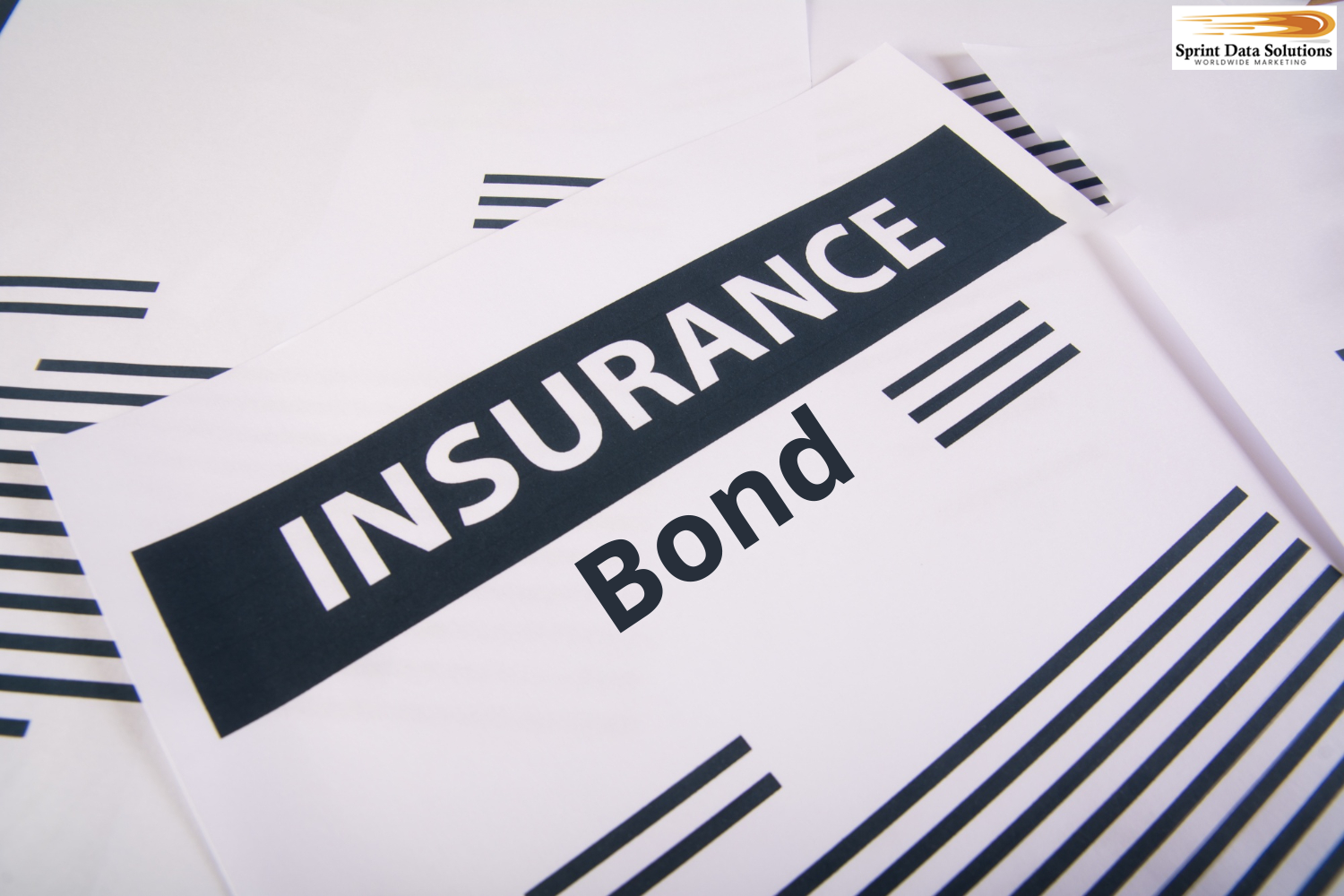
An insurance bond, though distinct from traditional insurance policies, serves a similar protective function. It is a legally binding agreement designed to assure another party that a business or individual has the financial resources to meet specific obligations. The essence of an insurance bond lies in providing a guarantee that, should an event arise, the required financial compensation will be paid out, whether it’s for a construction project, business operations, or employee conduct.
There are various types of bonds that businesses may require, each serving a different purpose. For instance, fidelity bonds protect employers from employee dishonesty or fraud, offering financial protection in cases where an employee’s actions cause loss to the business. On the other hand, bid bonds are typically required in the construction industry to guarantee that a contractor will honor their bid if awarded the project. Performance bonds are another critical type in the construction world, ensuring that a contractor will complete the project as per the terms outlined in the contract. These bonds give clients the peace of mind that a business can fulfill its obligations, adding credibility and security to the transaction.
Given the wide range of industries and situations where bonds are required, the demand for them is consistent across many sectors, particularly for small businesses, construction firms, and contractors involved in large-scale projects. Marketing strategies targeted at these businesses should emphasize the security and reliability that insurance bonds offer, alongside the legal and financial assurance they provide to all parties involved. By educating businesses about the types of bonds they may need and the benefits of securing them, companies can attract a broader range of potential clients and grow their customer base in this essential niche of the insurance industry.
Business Interruption Insurance
When a business is hit by a disaster, the consequences extend far beyond just physical damage. While a homeowner may be temporarily displaced during home repairs, the impact on a business can mean a complete halt in operations, potentially leading to a loss of income for the owner and employees. This disruption can be devastating not only in terms of immediate financial losses but also in terms of long-term sustainability. Business interruption insurance is a crucial solution designed to mitigate these risks by providing financial protection to businesses during periods of downtime caused by unexpected events.
Business interruption insurance covers a broad spectrum of potential needs, making it a customizable option depending on the nature of the business. For example, it can help a company continue to meet financial obligations such as paying loan installments, covering employee wages, and paying essential operating expenses while the business is temporarily out of action. In addition, this insurance can assist in covering the cost of relocating operations to a temporary site or facilitating other adjustments needed to keep the business running during the recovery process. Whether it’s for a small business or a large enterprise, having a tailored business interruption policy in place can help ensure continuity and minimize the financial impact of a disaster.
The key to effective business interruption insurance is ensuring that the policy is comprehensive and meets the specific needs of the business. This includes understanding the types of potential risks the business faces, the expected downtime in the event of an incident, and how the policy can support the business through different stages of recovery. For businesses that rely on steady operations to maintain their workforce and keep customers satisfied, the right insurance can make a significant difference in bouncing back quickly and resuming normal business activities with minimal disruption. By offering the right features, such as coverage for loss of income, relocation expenses, and ongoing operational costs, business interruption insurance helps companies protect their livelihood during times of unforeseen crisis.
Fire Insurance
Fire insurance is one of the most fundamental and widely recognized forms of property protection. Fires can be devastating, with the potential to destroy not only a building’s structure but also its contents, inventory, and the business or personal assets contained within. The financial consequences of a fire, especially in commercial spaces, can be catastrophic, wiping out years of hard work and investment. Because of these potential risks, fire insurance provides peace of mind, ensuring that homeowners and business owners alike can recover from such an event without the burden of overwhelming financial loss.
However, while fire insurance is critical for both residential and commercial properties, there is a wide variation in coverage options and pricing across different insurers. Policies may differ in terms of what is covered, such as the extent of coverage for property damage, the types of fires (e.g., accidental, arson, natural disasters) included, and whether or not certain assets like business equipment, furniture, or inventory are protected. Additionally, some policies may have exclusions or limitations based on factors like building age, fire suppression systems, or geographic location.
As such, it’s important for both homeowners and businesses to carefully review their fire insurance coverage to ensure it meets their specific needs. For example, in the case of business owners, it’s crucial to consider not only the protection of the physical property but also the potential loss of income during the time the business is closed for repairs. Businesses that rely heavily on their physical location, such as retail stores or restaurants, may need additional coverage, like business interruption insurance, to mitigate the impact of lost revenue during the recovery period.
High-Risk Insurance
Insurance is a vital safety net for individuals and businesses alike, providing protection against the unexpected. However, not everyone fits the typical mold required for standard insurance policies. High-risk individuals or entities—those who have had multiple accidents, failed to make premium payments, or whose properties are deemed unconventional or hazardous—may find themselves excluded from traditional coverage. This can leave them vulnerable in the event of a catastrophe, whether it’s an accident, damage to property, or other unforeseen circumstances.
Non-standard or high-risk insurance policies fill this gap by offering coverage to individuals or businesses who may not meet the qualifications for standard policies. These types of insurance are designed to provide protection to those who may present a higher risk to insurers, but still seek the security that insurance provides. For example, drivers with a history of accidents or DUI offenses can often find coverage through non-standard auto insurance. Similarly, property owners who own vacant buildings or homes with certain risks, such as older buildings with outdated electrical systems, can still secure coverage, albeit with higher premiums or more specific terms.
One key factor that drives the need for high-risk insurance policies is the peace of mind that they offer. Even though individuals with a higher risk profile may not qualify for typical insurance plans, they still face similar risks and financial burdens that others do. Without adequate coverage, they may be left to shoulder the full cost of repairs, medical bills, or liability claims out of pocket, which can be financially devastating. Non-standard insurance offers a way to bridge that gap, providing essential coverage when it is needed most.

How We Can Help
Sprint Data Solutions Worldwide Marketing is a fully American-owned and operated company founded by a disabled veteran with a vision to empower businesses and organizations through strategic marketing solutions. Beginning as a direct mail marketing company, we have since expanded our offerings to include comprehensive domestic, continental, and international marketing services. With years of experience and a commitment to quality, we are proud to serve clients across diverse industries, providing tailored marketing data to meet specific business needs.
At Sprint Data Solutions, we specialize in providing high-quality insurance marketing lists, catering to both general consumers and businesses. Our vast database includes detailed contact information for potential customers across various geographic regions and demographic segments. Whether you’re targeting individuals for life, health, auto, or home insurance, or reaching out to businesses for commercial coverage, our lists are designed to help you effectively connect with your desired audience.
What sets us apart is our commitment to data accuracy and relevance. We ensure that our marketing lists are constantly updated, leveraging advanced artificial intelligence analytics and machine learning tools to refine our data continuously. With access to multiple reputable database sources, we guarantee that the lists we provide meet the highest standards of quality, helping our clients achieve optimal results from their marketing campaigns.
Our competitive pricing and customizable options make it easy for businesses to access the exact customer segments they need, whether for direct mail, telemarketing, email campaigns, or SMS/text marketing. At Sprint Data Solutions Worldwide Marketing, we understand the power of personalized outreach, and our comprehensive databases ensure that you can reach the right people, in the right place, at the right time.
If you’re looking for insurance customer data—whether by geography, age, gender, income level, or other specific demographics—we’re here to help. Contact us today to discuss your needs and explore how our targeted marketing solutions can drive your business forward.