

Digital Marketing Is The Next Channel For The 21st Century
The concept of marketing has undergone tremendous evolution over the past few centuries, largely driven by the advancements in media channels available to businesses. In the 19th century, marketing was primarily reliant on print media, with the printing press being the only mass communication tool businesses could effectively use. The reach of advertisements was limited to newspapers, magazines, and posters, making it a less efficient way to engage with a large, diverse audience. However, the 20th century brought about revolutionary changes. The advent of radio and television opened new possibilities, allowing businesses to connect with consumers through audio and visual mediums. Radio introduced the ability to reach people through voice, while television allowed businesses to engage audiences with both sound and moving images, providing a far more dynamic and compelling method of communication.
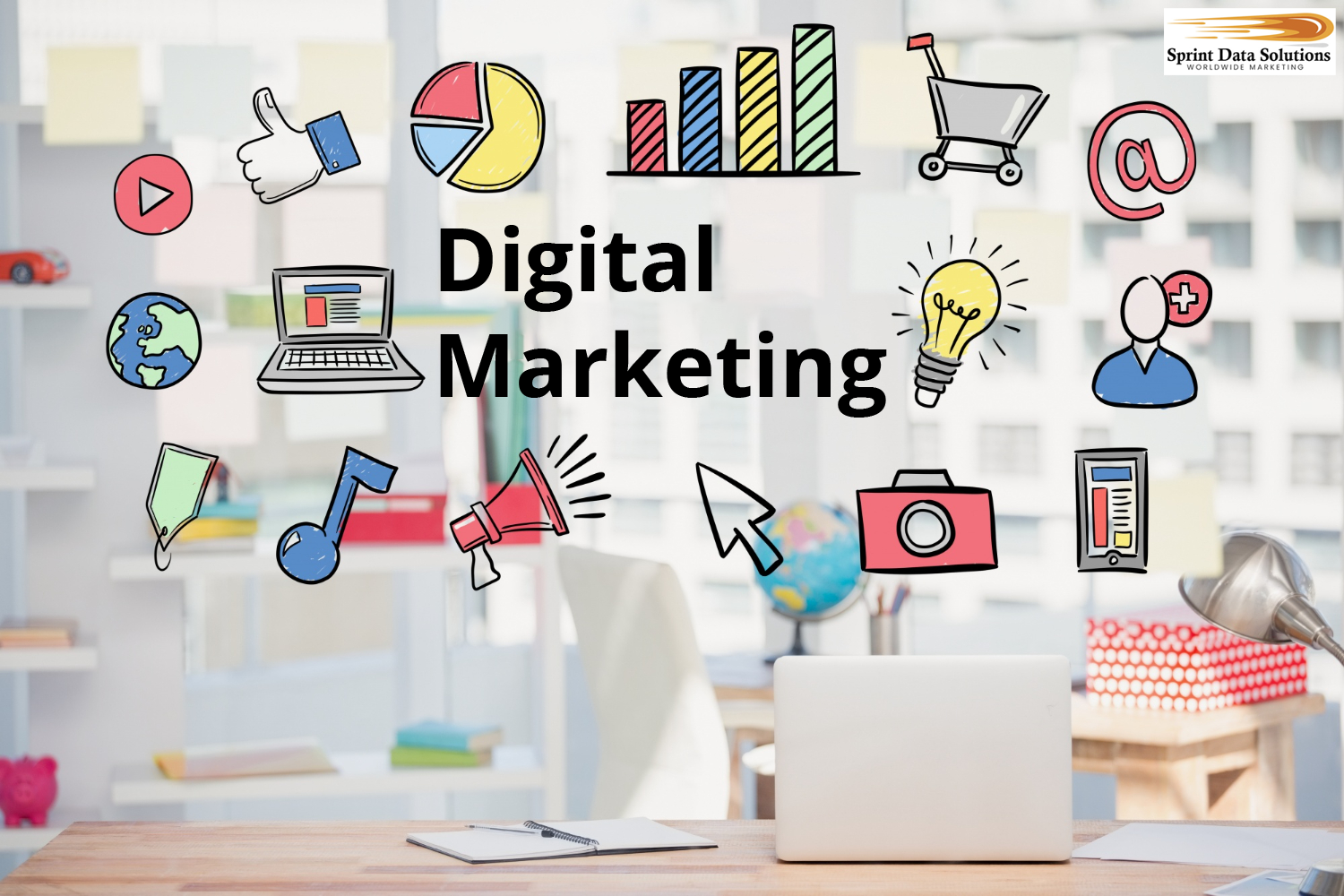
As we entered the 21st century, marketing has entered a new phase, driven by digital transformation. The traditional focus on improving sound quality or enhancing visual fidelity has been replaced by a new emphasis on data granularity and precision targeting. Digital platforms combine the techniques of traditional media while offering even greater reach and depth. The internet, social media, search engines, and mobile devices have all converged to create an ecosystem where businesses can now target individual consumers with remarkable specificity. Instead of broadcasting generic ads to mass audiences, businesses can now use behavioral data, demographics, and user preferences to deliver personalized and highly relevant content to the right people at the right time.
This shift towards hyper-targeted marketing allows businesses to focus their efforts on smaller, more engaged audiences who are genuinely interested in their products or services. The result is a higher return on investment (ROI) and improved engagement compared to traditional methods. Sprint Data Solutions Worldwide Marketing understands the power of this new marketing landscape and can help businesses harness the latest digital marketing technologies to target the right audience, generate more leads, and drive higher levels of response and conversion. By using data-driven strategies, we ensure that every marketing dollar is spent more effectively, helping businesses thrive in the competitive digital age.
What Sprint Data Solutions Worldwide Marketing Is
Sprint Data Solutions Worldwide Marketing was founded by a disabled veteran with a clear vision: to create a company that would help businesses grow through innovative, data-driven marketing solutions. The company started its journey at a time when traditional marketing channels, like television, radio, and print, dominated the landscape. Digital marketing was still in its infancy, and while many industry insiders recognized its potential, few could predict just how transformative it would become.
In its early days, Sprint Data Solutions specialized in direct mail marketing, an effective and widely-used strategy during that time. This early focus on direct mail allowed the company to develop invaluable expertise in data acquisition, management, and analytics. By working with large datasets, the company honed its skills in targeting the right audience, creating personalized content, and optimizing campaigns for maximum engagement and response rates. This expertise in managing and analyzing data would become a key differentiator as the industry began to evolve.
As predicted, digital marketing eventually emerged as a dominant force, but it was not without its challenges. While the potential for digital marketing was clear, very few companies had the expertise needed to fully leverage the new technologies. Many businesses struggled to adapt to the digital landscape, particularly when it came to managing and analyzing vast amounts of online consumer data. Sprint Data Solutions Worldwide Marketing, however, was uniquely positioned to capitalize on this shift. With its deep understanding of data and analytics, the company was able to seamlessly integrate digital marketing into its service offerings.
The transition into digital marketing was a pivotal moment for Sprint Data Solutions. By adopting early on the tools and techniques of digital marketing, including email marketing, SEO, paid search, and social media advertising, the company gained an early mover advantage that allowed it to deliver outstanding results for its clients. Sprint Data Solutions’ ability to blend its traditional data-driven expertise with emerging digital strategies put it ahead of many competitors, positioning the company as a leader in the field.
The Digital Marketing Difference
Digital marketing represents a relatively new frontier for businesses seeking to expand their promotional efforts. One of the most significant advantages digital marketing offers over traditional media is its ability to provide trackable, granular data. Traditional marketing channels like television advertising have long been relied upon to reach large audiences, but they lack the precision and insight that digital marketing provides. When a television commercial airs, there is little certainty about how many people actually saw it, let alone how many of those viewers were motivated to take action. While television advertising can reach a broad audience, it doesn’t offer the ability to track engagement or measure the direct impact on sales or conversions. The traditional approach involves relying on statistical models and estimates, which can only approximate the effectiveness of the marketing effort.
In contrast, digital marketing offers an entirely different experience because it is inherently built on data tracking. Every action that takes place in a digital environment can be monitored and analyzed in real-time. Whether it’s a click on an email link, a website visit, or an online purchase, digital marketing tools can capture the precise data associated with each interaction. This ability to track individual actions allows businesses to gain a deeper understanding of their audience and make data-driven decisions that improve the effectiveness of their campaigns. Unlike traditional media, where results are often vague and speculative, digital marketing gives businesses the ability to measure engagement with incredible precision, offering a clear picture of how marketing efforts translate into real results.
One of the key benefits of digital marketing is the certainty it provides, especially when compared to traditional channels like direct mail. In direct mail, there is always the possibility that a piece of marketing material could be lost in transit or misplaced by the recipient. As a result, businesses are left uncertain about whether a non-response is due to lack of interest or simply because the material never arrived. In the case of email marketing, however, businesses can know with 100% certainty whether an email was successfully delivered, opened, and acted upon. This eliminates the guesswork involved in traditional marketing and provides concrete data on how recipients interact with the message.
Moreover, email marketing goes a step further by offering the ability to track the direct correlation between email campaigns and sales. By including personalized links, coupons, or promotional codes in emails, businesses can track exactly who clicked on the offer, where they are located, and whether the action resulted in a purchase. This level of tracking allows businesses to gather detailed insights into customer behavior and preferences, which can be used to refine and optimize future marketing efforts. For instance, businesses can see not only which emails resulted in sales, but also the exact individuals who responded, providing a wealth of data on customer demographics, purchasing patterns, and preferences. This ability to measure and attribute success down to the individual level offers businesses a significant advantage in improving their marketing strategies and personalizing their outreach for even better results.
Multi-Media
Digital marketing offers a level of flexibility and versatility that traditional marketing channels simply cannot match. Unlike print advertising, which is confined to static images and text, or radio, which is limited to sound, digital marketing has the unique ability to combine multiple forms of media into one cohesive experience. This lack of limitations allows businesses to engage their audience in more dynamic and interactive ways, providing a richer, more personalized experience that can be tailored to each individual’s preferences.
Take email marketing, for example. While it can be as simple as plain text, email marketing can also incorporate a wide range of multimedia elements, including eye-catching graphics, full-color photography, and embedded videos. This allows businesses to not only deliver compelling messages but also visually engage with their audience in a way that static print ads cannot. Additionally, email can include interactive elements such as links to websites, promotional landing pages, and even multimedia content like audio files or videos that make the message more engaging. One of the most powerful features of email marketing is the ability to integrate real-time customer interaction, such as connecting users to human staff or AI-driven chatbots, which can handle inquiries, provide customer service, and guide users through complex processes like making purchases or troubleshooting issues.
But digital marketing extends far beyond email. In today’s digital landscape, businesses can reach their target audience through a wide variety of devices and platforms, including smartphones, tablets, and social media. Mobile marketing, for instance, takes full advantage of the ubiquity of smartphones, enabling businesses to reach consumers through SMS, MMS, push notifications, and even mobile app advertisements. Mobile marketing is particularly effective because it allows businesses to connect with users instantly and in a highly personalized manner, thanks to location-based targeting and real-time data collection.
Digital marketing also includes social media platforms, which offer unique opportunities for engagement through a combination of text, images, video, and live interactions. Social media not only allows businesses to communicate their message but also facilitates two-way conversations with consumers, creating an interactive dialogue that strengthens customer relationships and builds brand loyalty. Moreover, digital advertising on platforms like Google, Facebook, Instagram, and YouTube can reach highly specific audiences through sophisticated targeting options, ensuring that the right message reaches the right people at the right time.
Email Marketing
Digital marketing offers a level of flexibility and versatility that traditional marketing channels simply cannot match. Unlike print advertising, which is confined to static images and text, or radio, which is limited to sound, digital marketing has the unique ability to combine multiple forms of media into one cohesive experience. This lack of limitations allows businesses to engage their audience in more dynamic and interactive ways, providing a richer, more personalized experience that can be tailored to each individual’s preferences.
Take email marketing, for example. While it can be as simple as plain text, email marketing can also incorporate a wide range of multimedia elements, including eye-catching graphics, full-color photography, and embedded videos. This allows businesses to not only deliver compelling messages but also visually engage with their audience in a way that static print ads cannot. Additionally, email can include interactive elements such as links to websites, promotional landing pages, and even multimedia content like audio files or videos that make the message more engaging. One of the most powerful features of email marketing is the ability to integrate real-time customer interaction, such as connecting users to human staff or AI-driven chatbots, which can handle inquiries, provide customer service, and guide users through complex processes like making purchases or troubleshooting issues.
But digital marketing extends far beyond email. In today’s digital landscape, businesses can reach their target audience through a wide variety of devices and platforms, including smartphones, tablets, and social media. Mobile marketing, for instance, takes full advantage of the ubiquity of smartphones, enabling businesses to reach consumers through SMS, MMS, push notifications, and even mobile app advertisements. Mobile marketing is particularly effective because it allows businesses to connect with users instantly and in a highly personalized manner, thanks to location-based targeting and real-time data collection.
Digital marketing also includes social media platforms, which offer unique opportunities for engagement through a combination of text, images, video, and live interactions. Social media not only allows businesses to communicate their message but also facilitates two-way conversations with consumers, creating an interactive dialogue that strengthens customer relationships and builds brand loyalty. Moreover, digital advertising on platforms like Google, Facebook, Instagram, and YouTube can reach highly specific audiences through sophisticated targeting options, ensuring that the right message reaches the right people at the right time.
Voice Broadcasting
Voice broadcasting is often viewed as a traditional marketing technique, most closely associated with radio advertising and telemarketing, both of which rely heavily on audio formats. While these methods have evolved over the years, the emergence of digital marketing has revitalized voice broadcasting, giving it new versatility and allowing it to be integrated into a variety of modern marketing strategies. The ability to incorporate voice broadcasting into digital mediums has unlocked a range of possibilities for businesses to connect with their target audience in more personalized and engaging ways.
Today, voice broadcasting can be easily embedded in email campaigns, providing an extra layer of engagement alongside written content. Rather than relying solely on text-based communication, businesses can enhance their emails with a human touch, using voice messages to convey their message more effectively. This format can make emails feel more personal and approachable, increasing the likelihood that recipients will engage with the content. Similarly, voice broadcasts can be used in automated phone messages, offering a direct and conversational way to reach consumers. These messages can be tailored to provide important information, such as special offers, reminders, or important updates, all delivered in a format that feels more personal and less generic.
Additionally, voice broadcasting can be leveraged as an advertising tool on various digital platforms, from social media networks to streaming services. Audio ads, delivered through voice broadcasts, can create a memorable and emotionally engaging experience for listeners, making them more likely to respond to a call to action. These types of ads can be particularly effective for businesses whose products or services benefit from the warmth, tone, and emotional resonance of the human voice, such as healthcare, personal services, or entertainment industries. When paired with background music, sound effects, or dynamic voiceovers, voice broadcasts can deliver a more compelling message that stands out in a crowded digital space.
Voice broadcasting also opens up new opportunities for interactive marketing. With the integration of AI technology, businesses can use voice broadcasts to initiate conversations with consumers, leading them to personalized experiences based on their responses. For example, voice-activated systems can guide users through a process, such as booking an appointment, making a purchase, or accessing a service, all while collecting valuable data to enhance the customer experience. This level of interactivity allows businesses to engage their audience in real-time, building stronger connections and providing immediate assistance, which increases the likelihood of conversion.
Text/SMS
A relatively recent and powerful addition to the digital marketing landscape is the rise of SMS marketing, or short messaging service, commonly known as texting. Initially developed in the early days of cellular communication, SMS was introduced as a simple method for sending brief text messages, given that early mobile phones lacked the capacity to handle larger digital files or emails. The limited storage and computational power of these phones meant that SMS was primarily used for short, concise messages, often no longer than a few sentences. Today, while its origins were modest, SMS has become a significant player in the realm of marketing and communication, thanks to the widespread use of smartphones with the capability to handle more robust digital content.
What makes SMS particularly effective in marketing is its simplicity and brevity. Unlike emails, which can become lengthy or cluttered, SMS requires marketers to deliver their message in a concise, clear, and compelling way. When done correctly, short messages can pack a punch, conveying essential information quickly and efficiently. This “punchiness” makes SMS an ideal medium for promotions, alerts, reminders, and calls to action, all of which benefit from being direct and to the point. Consumers today are more likely to engage with short, impactful messages, especially when those messages are personalized or timely, such as flash sales, appointment reminders, or time-sensitive offers.
One of the greatest advantages of SMS marketing is its immediacy. A key characteristic of SMS is that it is almost always seen by the recipient shortly after it is received. Research shows that SMS messages are opened and read within minutes, often more consistently than emails or even physical mail. In fact, many smartphone users have a habit of checking their text messages immediately, sometimes even more frequently than other forms of communication. This high engagement rate offers marketers a powerful opportunity to reach consumers in real-time, providing them with offers or information when they are most likely to act on it.
Furthermore, SMS marketing offers a more personal and direct form of communication, allowing businesses to connect with their audience in a more immediate and impactful way. Given that people tend to view their phones as highly personal devices, receiving a message via SMS can make the communication feel more intimate and urgent. This creates a sense of connection and trust between the brand and the consumer, leading to higher response rates.

How We Can Help
Sprint Data Solutions Worldwide Marketing has spent years building and refining a vast repository of databases containing highly detailed contact information. We also maintain strong, active alliances with trusted data providers to continually expand the range and depth of potential contacts. The data we collect is gathered through ethical and legal means, ensuring compliance with industry standards and best practices. Our methods include opt-in programs, where individuals willingly sign up for newsletters, create accounts for services, complete surveys, or volunteer their business cards for marketing purposes. These practices ensure that the data we provide is both reliable and legitimate, making it a valuable resource for businesses seeking high-quality leads.
What sets Sprint Data Solutions apart is our commitment to maintaining the quality and relevance of our databases. Unlike static, outdated lists, our databases are considered “living documents” that are regularly reviewed and updated. Changes such as recipients moving, changing jobs, or passing away are tracked and adjusted accordingly, ensuring that businesses don’t waste time or resources on outdated or irrelevant data. These ongoing reviews and updates are vital in maintaining the accuracy and effectiveness of our lists, allowing clients to confidently invest in data that drives real results and delivers the highest value.
However, merely having access to a large database of contact information is not enough to guarantee successful sales outcomes. At Sprint Data Solutions, we understand that effective marketing requires more than just a pool of names and addresses. To ensure that our clients achieve the highest possible return on investment, we leverage cutting-edge artificial intelligence systems for data analytics. These systems utilize machine learning algorithms to process and analyze large volumes of data, sorting through vast contact lists to identify the most relevant and valuable prospects based on specific client criteria. This process ensures that clients receive precisely filtered contacts that align with their unique marketing objectives, improving the chances of engagement and positive response.
Another crucial aspect of our service is geographic targeting, which allows businesses to fine-tune their marketing efforts. Whether a client is planning a nationwide marketing campaign or wants to focus on a specific region, state, or even neighborhood, we can tailor our databases to meet those requirements. For example, a marketing campaign targeting the entire United States may require a broad set of contact information, while a localized campaign may need a more refined list, such as targeting residents in New England, the state of Massachusetts, or even a specific city like Boston. In some cases, businesses may wish to target a smaller demographic, such as individuals living in a particular neighborhood, such as Beacon Hill, Boston. This level of geographic precision enables businesses to direct their marketing efforts more effectively, ensuring they reach the right audience in the right place.
An Array Of Services
Sprint Data Solutions Worldwide Marketing effectively utilizes its extensive databases to deliver a range of powerful digital marketing services designed to help businesses reach their target audience with precision and efficiency. By combining in-depth data analytics with advanced marketing techniques, we offer customized solutions that maximize the impact of every campaign. Our digital marketing services include:
Email Broadcasts
Email broadcasts remain one of the most straightforward and effective digital marketing methods. This approach allows businesses to send targeted messages to a large audience, promoting products, services, or specific promotional events. The key to success with email broadcasts is targeting the right audience. When the recipients of your emails have opted in or shown interest in your product or service, they are more likely to open and engage with your message. People who are genuinely interested in the offer are also less likely to mark these emails as spam, ensuring higher open rates and engagement. When done correctly, email broadcasts can provide businesses with a direct line to consumers, resulting in more meaningful interactions and greater conversion rates.
Email Newsletter Broadcasting
Email newsletters serve as a comprehensive and informative marketing tool, allowing businesses to provide ongoing value to their audience. Unlike the more transactional nature of email broadcasts, newsletters tend to focus on building long-term relationships by offering in-depth content that goes beyond just product promotion. While products and services can certainly be highlighted, newsletters are often a mix of informative articles, industry updates, tips, and community news, giving your subscribers a reason to look forward to each edition. For example, a business that sells automobile repair accessories could include step-by-step guides on how to use the products effectively or provide general maintenance tips. Similarly, wellness companies might offer articles on meditation techniques or healthy lifestyle choices alongside their product offerings. By providing useful content, newsletters not only help businesses market their products but also position themselves as valuable resources, fostering deeper trust and loyalty from their customer base.
SMS Text Messaging Campaigns
With the increasing use of smartphones, SMS and text messaging campaigns have become an essential part of digital marketing strategies. Due to their instant delivery and high open rates, SMS campaigns are more likely to reach consumers at the right time, making them an incredibly effective tool for urgent offers or time-sensitive promotions. Unlike email or physical mail, which require consumers to be at their computers or check their mailboxes, SMS messages are often read within minutes of receipt. This immediacy gives businesses a distinct advantage, particularly for short-term promotions, flash sales, or reminders. However, due to the character limitations of text messages, SMS campaigns require careful thought and creativity to deliver a concise and impactful message. Despite this, SMS marketing has a unique advantage in bypassing common barriers, such as spam filters that affect email or the likelihood of consumers not answering telemarketing calls, making it an efficient and powerful tool for reaching your audience.
Voice Broadcasting Campaigns
Voice broadcasting campaigns offer an innovative approach to digital marketing, leveraging the power of recorded voice messages to engage a wide audience. This method is similar to traditional radio advertising or leaving a voice message, but with the added benefit of automation. Voice broadcasting enables businesses to send pre-recorded messages to multiple recipients simultaneously, reducing the need for time-intensive one-on-one telemarketing calls. These campaigns are effective for delivering a clear and direct message, whether it’s a promotional offer, an important announcement, or a reminder about an event. As with other marketing strategies, brevity is key—keeping the message short and to the point is essential, as most recipients are unlikely to listen to a lengthy recording. One of the major benefits of voice broadcasting, however, is the ease of automation. Instead of requiring a large team of telemarketers to manually dial numbers, voice broadcasting can reach hundreds or even thousands of recipients with a single broadcast, saving time and resources while delivering impactful results. The use of voice in a digital format adds a personal touch, helping businesses stand out and connect with their audience in a way that text-based communication cannot.
Video Marketing Campaigns
In addition to traditional methods like SMS and email, businesses can now harness the power of video marketing to engage customers. Video content has become one of the most effective ways to communicate with consumers, offering a dynamic and visually engaging medium that allows businesses to showcase products, demonstrate services, or tell their brand story. Whether through social media platforms, email campaigns, or paid advertising, video has the power to capture attention and leave a lasting impression. Unlike static content, video can convey complex messages in a more digestible format, making it ideal for demonstrating how products work or explaining services in detail. Video marketing also has high engagement rates, as consumers are more likely to share videos, driving organic reach and increasing brand awareness. Furthermore, videos can be easily tracked for performance metrics, such as views, click-through rates, and conversions, allowing businesses to optimize their video marketing strategies for better results.
Social Media Advertising
Social media advertising has become a cornerstone of modern digital marketing. With billions of active users across platforms like Facebook, Instagram, Twitter, and LinkedIn, businesses have the ability to reach highly targeted audiences with precision. Social media ads can take many forms, from sponsored posts to video ads or carousel ads, providing an opportunity to showcase products, build brand awareness, and foster customer engagement. The key to successful social media advertising lies in understanding your audience and crafting ads that resonate with their interests and behaviors. Through advanced targeting options, businesses can segment audiences based on location, age, interests, and even purchasing behavior, ensuring that each ad reaches the right people at the right time. Additionally, social media ads allow for easy interaction, whether through comments, likes, shares, or clicks, enabling businesses to build stronger relationships with customers and drive conversions directly from the platform.
In conclusion, the digital marketing landscape offers businesses a wide range of innovative tools and strategies to connect with their target audience. Whether it’s through the power of SMS, voice broadcasting, video content, or social media ads, each approach provides a unique opportunity to engage with consumers in meaningful ways. By leveraging these diverse techniques, businesses can enhance their marketing efforts, drive higher engagement, and ultimately achieve better results in today’s competitive market.
Ringless Voice Broadcasting Campaigns
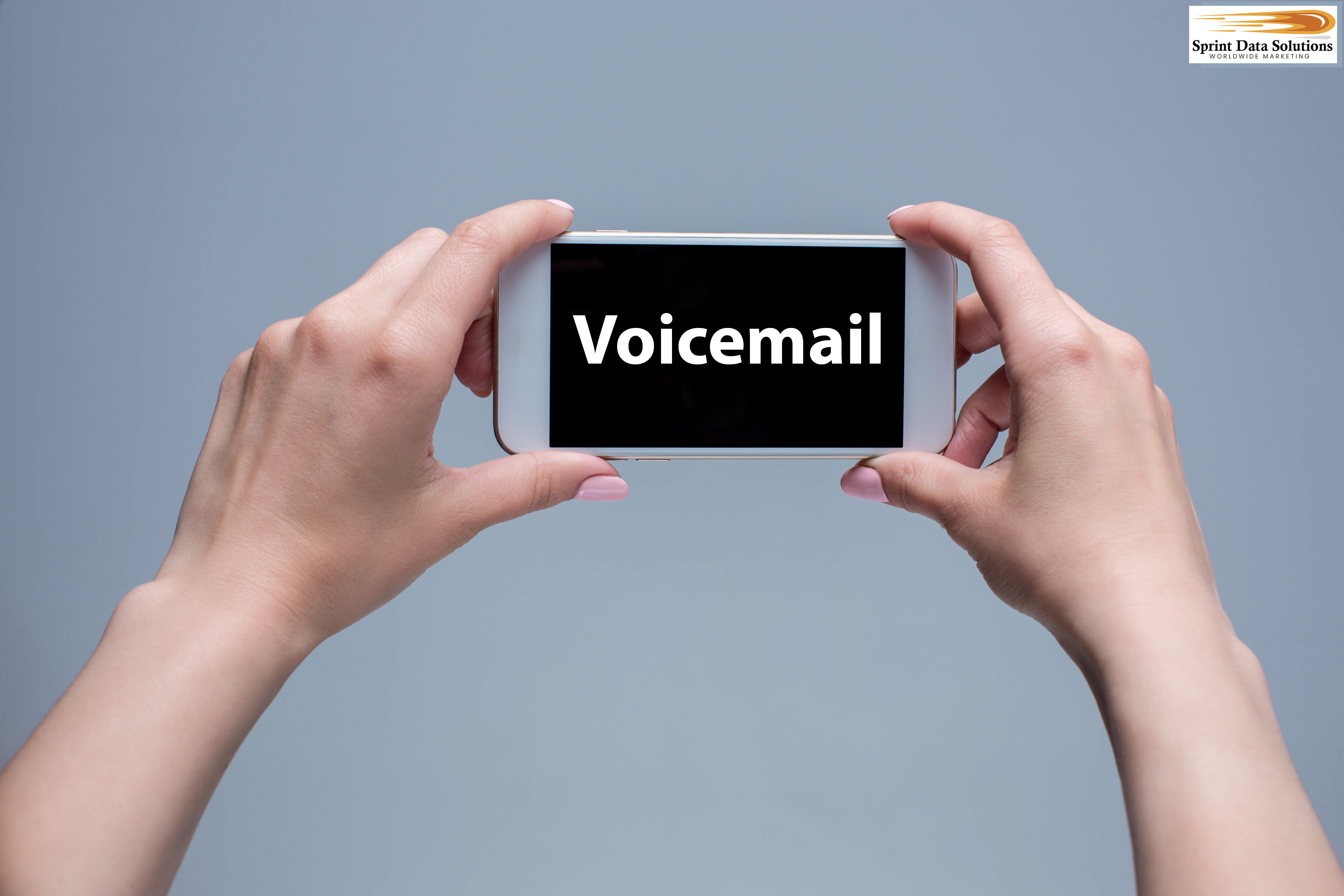
Ringless voice broadcasting campaigns are a unique and innovative way to reach your audience without disrupting their day with an incoming call. As the name suggests, these campaigns do not trigger a phone to ring; instead, they deliver recorded messages directly to a recipient’s voicemail or answering service. This method provides all the advantages of traditional voice broadcasting, including the ability to convey a personalized message through a human voice, but without the intrusive nature of a live phone call. With ringless voice broadcasting, consumers receive your message at their convenience, which often leads to higher listening rates compared to phone calls that may be ignored or missed.
Moreover, one of the significant benefits of ringless voice broadcasting is the ability to track and analyze the effectiveness of the campaign through digital metrics. Just as with other forms of digital marketing, you can monitor key performance indicators such as message delivery rates, voicemail retrievals, and response rates, allowing you to fine-tune your messaging and improve the success of future campaigns. By combining the human touch of a personalized message with the efficiency and data-driven capabilities of digital marketing, ringless voice broadcasting provides a highly effective means of reaching your target audience without being intrusive, making it an excellent option for businesses looking to engage customers in a non-disruptive yet impactful way.
Email Turnkey Campaigns
For businesses looking to make the most out of email marketing but lacking the experience or resources to manage the process themselves, Sprint Data Solutions Worldwide Marketing offers a comprehensive turnkey email campaign service. This specialized service provides end-to-end support, guiding clients through every phase of their email marketing journey, from initial concept development to final execution. Whether you are new to email marketing or want to optimize your current strategies, our team of experts will be there to help at every step.
The turnkey service begins with helping you define your campaign’s objectives and target audience, ensuring that your email messaging aligns with your business goals. From there, we assist with copywriting to create compelling content that resonates with your audience, as well as graphic design services to make your emails visually appealing and engaging. We also handle securing the right contact lists from our extensive database network, ensuring that your emails are sent to recipients who are most likely to respond. Throughout the entire process, you will receive expert guidance on best practices, including tips on subject lines, call-to-action strategies, and email design elements that maximize open rates and conversions.
One of the major benefits of our turnkey service is that we handle the entire campaign under one roof, eliminating the need for clients to source and vet multiple vendors. No more juggling between different teams for copywriting, design, data acquisition, and distribution. Sprint Data Solutions Worldwide Marketing streamlines the process, ensuring a cohesive, well-executed campaign that saves you time, reduces complexity, and ultimately drives better results. Whether you are running a product launch, promoting a special offer, or building brand awareness, our team will work closely with you to create a campaign that delivers measurable results and enhances your overall marketing efforts.