


Registered Voter Mailing List
The United States stands as one of the few countries where democracy has been an integral part of its foundation from the very beginning. In this system, citizens are entrusted with the power to decide, collectively, who will represent their interests and govern on their behalf. This democratic process takes place at every level of government—local, county, state, and national. Americans are among the few who have always had the right to choose their leaders, from city officials to the highest office in the land, the President. This enduring commitment to democratic representation shapes the nation’s political landscape and gives the electorate an active role in shaping its future.
At the heart of this democratic process lies the election, a monumental effort that involves extensive campaigns to raise awareness about candidates and their platforms. Candidates present their arguments, policies, and vision to the public, making their case for why they should be granted the responsibility of leadership. The election itself is a highly organized event where citizens cast their votes. Traditionally, this has involved voting in person at designated polling locations. However, in response to the evolving needs of the electorate, the United States has expanded access to voting, particularly through the introduction of mail-in ballots. This has made voting more inclusive, ensuring that people who may have mobility challenges or work schedules that prevent them from voting in person still have a means to participate. Mail-in voting has become an essential component of ensuring that every eligible citizen has the opportunity to have their voice heard, regardless of personal circumstances.
The democratic process is never truly static; it is an ongoing effort that involves continuous participation and engagement. While the country may be in a period “between elections” for national leadership, elections at local, county, and state levels continue to take place regularly. These elections are crucial in determining leadership at all levels of government and shape the policies that directly impact communities. Additionally, preparations for the upcoming presidential election are already underway, with political campaigns ramping up across the nation. The two major political parties are preparing their extensive campaign infrastructures, while independent candidates also prepare to join the fray, ensuring that voters will have a variety of choices when the time comes to cast their ballots.
Sprint Data Solutions Worldwide Marketing has a long history of supporting political organizations in maintaining the machinery of democracy. We understand the critical importance of reliable, accurate data in the election process, and we have worked tirelessly with political campaigns to ensure they have the tools needed to reach the right voters. As the nation approaches another election cycle, Sprint Data Solutions Worldwide Marketing is ready to assist in providing the data solutions that power effective voter outreach, ensuring that the democratic process remains accessible, efficient, and impactful for all. Whether it’s gathering voter data, segmenting outreach efforts, or managing communication strategies, we are proud to continue our support for the democratic process in the years to come.
About Sprint Data Solutions Worldwide Marketing
Sprint Data Solutions Worldwide Marketing is the culmination of the vision of a disabled veteran who, after years of dedicated military service, chose to pivot from a life of defense to one focused on fostering economic growth and supporting businesses across the nation. Having made significant sacrifices to serve and protect the country, the next step was to contribute to the nation’s prosperity through a new path—helping businesses grow by expanding their customer bases and increasing their revenues. With this goal in mind, the decision was made to remain in Las Vegas, where the company was founded as a small, local business. The focus was clear: deliver quality marketing solutions and build a reputation for excellence.
The success of Sprint Data Solutions Worldwide Marketing was built on a foundation of hard work and dedication. Over time, this dedication led to impressive results and steady growth, with the company rapidly gaining traction. Today, Sprint Data Solutions is proud to employ a loyal and experienced team, with over 50 years of combined expertise in marketing and promotions. This team has become a crucial asset in helping businesses across various industries reach their target audiences and grow their customer base.
Initially, Sprint Data Solutions made its mark in the marketing world with direct mail campaigns, a method that was particularly effective before the widespread advent of digital marketing. Direct mail, with its focus on tangible connections and personalized communication, allowed the company to collect and maintain valuable databases that were crucial for highly targeted marketing efforts. Over the years, the company honed its skills in organizing and managing customer data, such as names, mailing addresses, and other key demographic information, and shared these insights with clients to optimize their marketing strategies. The results were outstanding, and this success allowed the company to expand beyond Las Vegas and into the broader U.S. market.
As the company grew, so did its reach. From serving businesses in Las Vegas and throughout Nevada, Sprint Data Solutions expanded to cover the entire continental United States, including Alaska and Hawaii, ensuring national coverage. The next step was to extend its operations to North America, with services expanding to Canada and Mexico, ensuring that businesses could tap into markets beyond the U.S. borders. As the company’s expertise continued to grow, so did its global reach, with operations eventually extending to international markets, including countries in the European Union, such as France. Sprint Data Solutions Worldwide Marketing’s ability to service clients globally has provided businesses with the tools and resources needed to expand their customer bases and engage with international markets, offering clients a truly global reach for their marketing campaigns.
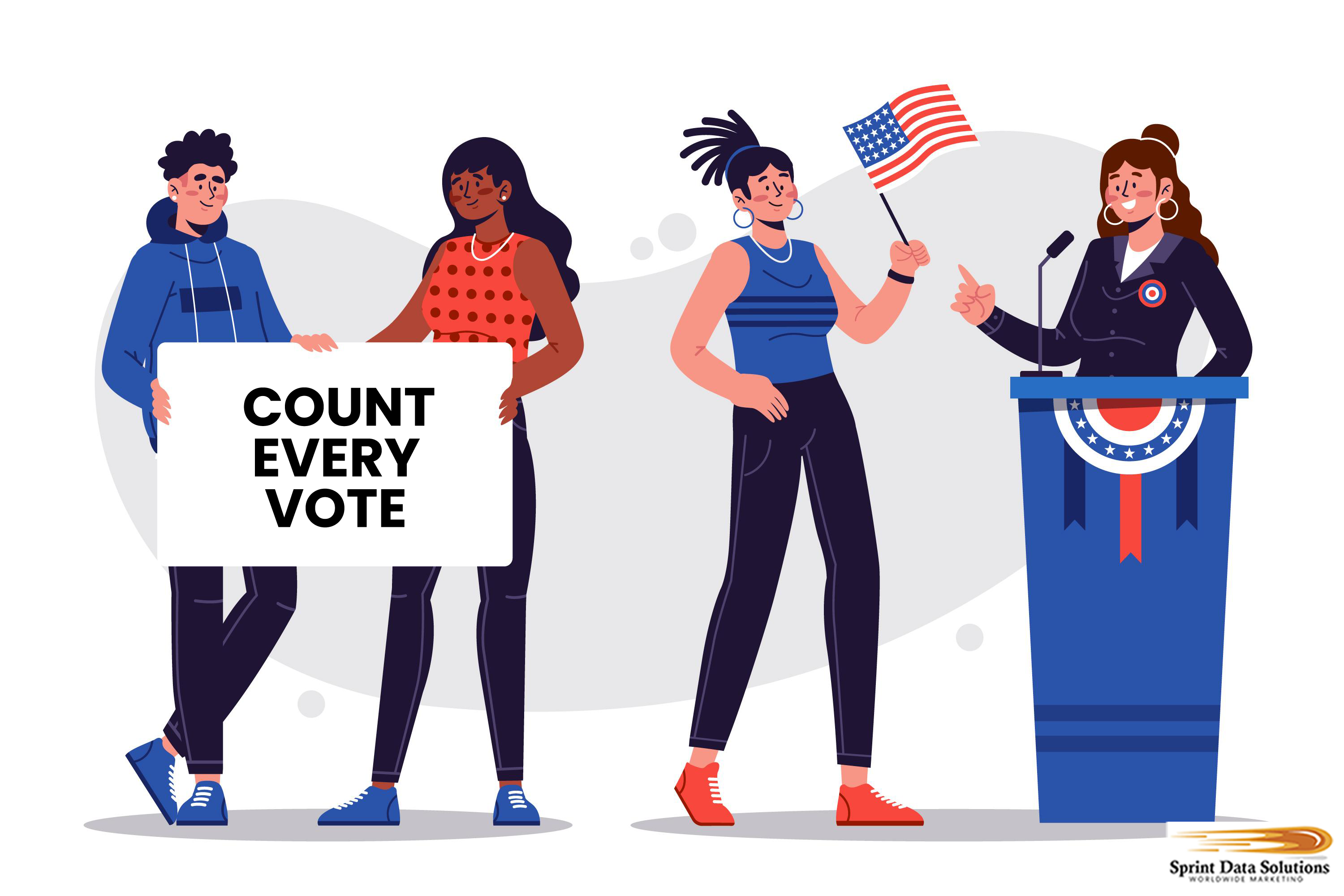
Elections Are Different In The New Millennium
The democratic process, particularly the way in which voters are engaged and courted, has undergone significant changes over the years, with the Internet playing a pivotal role in reshaping traditional methods and challenging the effectiveness of established platforms. While the fundamental goals of political campaigns remain unchanged, the methods used to achieve these goals have evolved dramatically, especially in the digital age. At the core of any election, whether it’s local, state, or national, candidates must still convince voters that they are the right person for the job. This requires candidates to build credibility by showcasing their qualifications, personal character, and the platforms they support, while also making compelling promises about the changes they will enact if they are elected to office.
In earlier times, the primary tools for campaigning were personal engagement and grassroots outreach. Candidates would travel to relevant areas, deliver speeches, and engage in face-to-face interactions with voters to build trust and support. These efforts were often supplemented with print materials like posters, flyers, and pamphlets to provide additional information about the candidate’s policies and vision. As mass communication technologies developed, the landscape of campaigning began to change. The advent of radio allowed candidates to extend their reach far beyond physical locations, enabling their speeches and interviews to be broadcast to a larger audience. With radio, candidates could now address voters across vast distances, making their messages more accessible and widespread.
Television further transformed campaigning, adding a visual dimension to the process. Candidates began to recognize the power of visuals in making an emotional connection with voters, leading to the rise of political advertisements on TV, televised speeches, debates, and interviews. TV became a dominant platform for reaching and persuading voters, shaping the way candidates communicated their messages and interacted with the public. The television era marked the beginning of mass media’s influence on the political process, as visual storytelling became a key element in political campaigning.
However, the Internet has introduced yet another revolution in how political campaigns are run and how voters are engaged. The Internet has significantly enhanced the ability to gather and analyze data, allowing campaigns to execute highly targeted and personalized outreach strategies. The rise of social media, websites, and digital advertising platforms has made it possible to capture a vast array of information about individuals—ranging from basic demographic data to detailed insights about personal preferences, behaviors, and interests. This data is invaluable for crafting tailored messaging that resonates with voters on a deeper, more individualized level. With the click of a button, campaigns can now track voter behavior, optimize content distribution, and refine messaging based on real-time data.
The digital age has also transformed how content is consumed. Whereas voters once had to “tune in” to a specific radio broadcast or TV channel at a designated time, the Internet has made content consumption more flexible. Voters can now access speeches, interviews, debates, and other campaign materials at any time, from any location, using a smartphone, tablet, or computer. This accessibility means that candidates can engage with voters on a more consistent and dynamic basis, offering personalized content that aligns with the unique interests and needs of their audiences.
In essence, the evolution of campaigning has followed the path of technological progress—from in-person interactions and printed materials to radio, television, and now the Internet. Each new medium has offered candidates new ways to connect with voters, communicate their messages, and gather critical data to improve their chances of winning. As the use of digital tools and data analytics continues to grow, campaigns are becoming more sophisticated, targeting specific voter segments with highly personalized messaging, and providing a new level of insight into what drives voter behavior. The ability to reach voters where they are—whether through digital ads, social media, or email campaigns—has forever altered the landscape of political campaigning, making it more data-driven, interactive, and accessible than ever before.
Who Benefits
Sprint Data Solutions Worldwide Marketing offers an extensive array of mailing lists that cover a wide range of categories, providing contact details for both consumers and businesses across various sectors. These lists also extend into the political sphere, offering critical resources for campaigns and political organizations looking to engage with voters and other key political action groups. Whether you’re focused on consumer outreach, business connections, or political engagement, our comprehensive lists enable targeted communication that reaches the right audience at the right time. Below are some examples of the specialized lists we provide for political marketing and campaigning.
Registered Voter Mailing Lists
Registered voters form the foundation of the democratic process in the United States, as they are individuals who have actively engaged in the system by registering to vote. In many states, voters must proactively register before they can cast their ballots, while others allow same-day registration. Regardless of political affiliation—whether Republican, Democrat, or Independent—these individuals have made a commitment to participate in elections. This makes them a highly valuable segment for political marketing efforts. Since registered voters have demonstrated their interest in the democratic process, they are more likely to respond to campaigns and political messaging. By utilizing our Registered Voter Mailing Lists, political campaigns can target those who are most likely to engage, ensuring effective outreach and a higher potential for voter participation.
State Voter Mailing Lists
While presidential elections may dominate the national conversation, state elections are often where voters feel the most direct impact on their daily lives. State-level elections determine crucial positions, such as governors, state senators, and local legislative representatives, whose decisions directly influence education, healthcare, infrastructure, and other vital services. State voters are therefore a critical target audience for campaigns that focus on local and regional issues. Reaching out to these voters is essential for educating them on what’s at stake in state elections and what specific policies each candidate supports. Sprint Data Solutions Worldwide Marketing provides state voter mailing lists that allow political campaigns to target these important constituencies, ensuring that voters are informed and motivated to participate in the democratic process that directly affects them.
National Voter Mailing Lists
For national campaigns or political efforts that require a broad, sweeping outreach, National Voter Mailing Lists are indispensable. These lists allow political organizations to reach the largest possible audience, covering voters across all states and regions. National voter lists are particularly crucial for high-profile elections like the presidential race, where the entire nation participates. However, they are also valuable for campaigns focused on national policies or federal-level concerns, such as healthcare reform, immigration, or other nationwide initiatives. By leveraging National Voter Mailing Lists, political campaigns can ensure their messages are delivered to a wide-reaching audience, amplifying their voice and increasing their chances of success in competitive, large-scale elections. These lists enable more efficient communication, ensuring that every eligible voter has access to the information they need to make an informed decision when casting their ballot.

Voter Precinct Mailing Lists
Voter precinct mailing lists are crucial for political action at the grassroots level. These lists provide detailed information about voters within specific geographic subdivisions, known as precincts, in an electoral district. Understanding who is eligible to vote in a particular precinct allows campaigns and political organizations to tailor their efforts to highly targeted areas. This localized approach is key for campaigns that focus on mobilizing voters within a specific neighborhood, town, or city. Whether you are conducting door-to-door canvassing, organizing local events, or targeting voters with specific messaging, precinct mailing lists help ensure that you reach the right people at the right time. These lists are invaluable for campaigns aiming to sway local elections, build grassroots support, and maximize voter turnout within particular voting precincts.
Political Donor Mailing List
Beyond just casting their votes, some Americans feel compelled to contribute financially to political campaigns, recognizing that the success of a candidate or cause often depends on adequate funding. Political donations play a critical role in financing campaigns, advertisements, outreach efforts, and other activities essential for political success. Donors come from various walks of life, and donations can range from small amounts to substantial contributions. While lower-income and middle-class donors are motivated by causes or candidates they believe in, affluent donors often contribute larger sums, typically in the hopes of supporting policies they favor and ensuring those policies are enacted once their candidate is in office. Whether you’re running for local office or seeking national influence, understanding the demographics of political donors is key to securing the necessary funds to support your campaign. Sprint Data Solutions Worldwide Marketing can help you access targeted mailing lists of political donors, allowing you to reach those most likely to support your cause and help finance your political endeavors.
Conservative Political Donors
Conservative political donors, often aligned with the Republican party, are driven by causes that reflect conservative values and policy stances. These donors typically advocate for a strong national defense, limited government, and traditional social values. Common causes that rally conservative donors include opposition to stricter gun control, the promotion of religious freedom, and stricter immigration policies. The right to bear arms, religious expressions in public life, and policies that limit government interference in private affairs are key issues for conservative donors who seek to influence political change. For those involved in conservative political activities, whether it’s supporting a candidate or pushing for legislation, conservative political donors are a crucial resource. Engaging with this demographic requires messaging that aligns with their values and addresses the key issues that motivate them to contribute, especially during critical political events like national elections, Supreme Court nominations, and major policy debates.
Liberal Political Donors
Just as conservative donors rally around Republican causes, liberal political donors tend to support Democratic candidates and progressive causes. These donors are often motivated by issues such as advocating for civil rights, expanding access to healthcare, protecting the environment, and ensuring equal rights for marginalized groups, including the LGBT community. Recent years have seen a surge in activism among liberal donors, particularly in response to issues like the rollback of reproductive rights, healthcare access, and climate change policies. The repeal of Roe v. Wade, for example, has significantly mobilized liberal donors, with many individuals seeking to fund campaigns that advocate for reproductive rights, women’s health, and social justice. This surge in interest has translated into a stronger commitment from liberal donors who want to support candidates and organizations that align with their progressive values. As political divisions deepen, liberal causes continue to energize a dedicated donor base, eager to ensure that their voices and concerns are represented in the political sphere. For campaigns with liberal agendas, reaching out to this demographic is crucial, as they have a proven history of contributing both financially and in terms of time and effort to help further their causes.
Independent Voter Mailing List
While the majority of American voters align themselves with one of the two major political parties, a significant portion of the electorate chooses to identify as independents. These voters do not commit to any specific party and instead base their voting decisions on policies that resonate with their individual beliefs and values. Independent voters tend to prioritize specific issues over party affiliation, which makes them a crucial demographic for political campaigns. Though independent voters may not always participate in the primary election process, especially for presidential candidates, they can have a significant influence on general elections and are often key players in close races. Targeting these voters requires understanding their concerns and demonstrating a shared commitment to the policies they care about. By engaging with independent voters, campaigns can sway a large and diverse group of individuals who are often undecided until they are presented with the right arguments or policies.
Undecided Voters Mailing List
Undecided voters are often overlooked in political campaigns, yet they can be some of the most influential voters in any election. These individuals are not yet committed to a particular candidate or party and are still weighing their options. Undecided voters tend to be open to persuasion, and their votes can be the deciding factor in tight races. Engaging with this group requires a thoughtful, targeted approach that presents compelling arguments, showcases policy strengths, and addresses their concerns. Winning over undecided voters often involves more effort and more detailed outreach, but it can make a significant difference in elections, especially those with razor-thin margins. Undecided voters may not always fall into clear-cut categories, which makes them a dynamic and critical demographic to focus on during campaign periods.
Political Activists Mailing Lists
Political activists are some of the most dedicated and engaged members of the electorate. These individuals go beyond simply casting a vote—they are active participants in the political process and play a key role in driving social change and supporting causes they believe in. Political activists often volunteer for campaign efforts, engage in community outreach, and participate in political demonstrations or protests. They are passionate about their ideals and are willing to put in the time, effort, and sometimes personal sacrifice to further those causes. For political campaigns, activists are invaluable resources, especially during election periods. They not only help spread the word but also provide critical support in canvassing, mobilizing voters, and generating enthusiasm around a candidate or cause. Engaging with political activists allows campaigns to tap into a network of highly motivated individuals who can rally others to participate and contribute to the cause.
Swing State Voters
Swing state voters are among the most sought-after groups in any presidential election. These voters reside in states that do not have a clear partisan alignment and can go either way in any given election, making them pivotal in determining the outcome of national races. Unlike states with a strong historical lean toward one party—such as California’s consistent support for Democrats or Texas’ Republican stronghold—swing states remain unpredictable, and their electoral votes can swing the balance of power. These states often receive the most attention from political campaigns, as they represent the key battlegrounds that can decide the presidency. Targeting swing state voters is essential for any presidential campaign, as these voters can be more likely to be persuaded with specific policy proposals or tailored messaging. Political candidates must ensure their campaigns are prepared to engage effectively with these voters, highlighting issues that resonate with them and motivating them to get to the polls.
A New Election Is Coming
The next presidential election in the United States is scheduled for November 2024, but now is the critical time to begin preparations. Although the election is still a couple of years away, experienced political organizations know that success in any election starts long before the actual voting day. Early planning and organization give candidates the ability to act decisively when the time comes, ensuring that they are ready to engage with voters, effectively communicate their messages, and secure the votes they need. The groundwork laid today will determine how well campaigns can adapt and respond to changing political dynamics. Sprint Data Solutions Worldwide Marketing understands the importance of early preparation and can provide candidates with the necessary tools and data to reach voters efficiently. Our comprehensive multichannel voter contact services ensure that your campaign can target every district across the United States, making your outreach more effective and strategic from the start.
Reach The Groups You Need
At Sprint Data Solutions Worldwide Marketing, we offer a wide variety of voter and political contact lists that provide not only basic contact details but also valuable demographic data that can make a significant difference in your campaign’s success. Our data is gathered through a variety of trusted sources, including surveys, consumer purchase behaviors, and extensive mailing lists, allowing you to build a more comprehensive profile of your target audience. By cross-referencing and categorizing this data using advanced big data analytics, political campaigns can pinpoint the exact groups of voters who align with their message and values. Whether you need to reach voters based on key demographics or connect with specific segments of the electorate, Sprint Data Solutions makes it possible to engage the right people at the right time. Our voter lists can be segmented into categories such as:
- Ethnicity
- Age
- Children’s Age
- Debt Level
- Homeownership Status
- Renter Status
- Marital Status
- Income Levels
- Veteran Status
- Geographic Location
- Mortgage Data
- And many more
This granular level of data segmentation ensures that campaigns can be as precise as possible when targeting specific voter groups, maximizing the effectiveness of your outreach.
Additionally, voter lists are not limited to physical mailing addresses. Depending on your campaign’s needs, we provide multichannel contact options, including mail, email, text/SMS messaging, and telephone outreach. Whether you’re focusing on direct mail campaigns, digital communications, or phone calls to engage voters, volunteers, and donors, Sprint Data Solutions Worldwide Marketing can provide you with the tools to successfully reach and engage with the right individuals across multiple channels.
With access to these targeted voter mailing lists, your campaign can effectively raise awareness, mobilize support, and increase the chances of an election victory. From voter outreach to volunteer engagement and donor mobilization, Sprint Data Solutions Worldwide Marketing ensures that your efforts are focused on the most relevant and responsive groups, providing you with a distinct advantage in the competitive race for votes. Let us help you build a strong foundation for success and ensure that your campaign is well-positioned for victory when the election arrives.